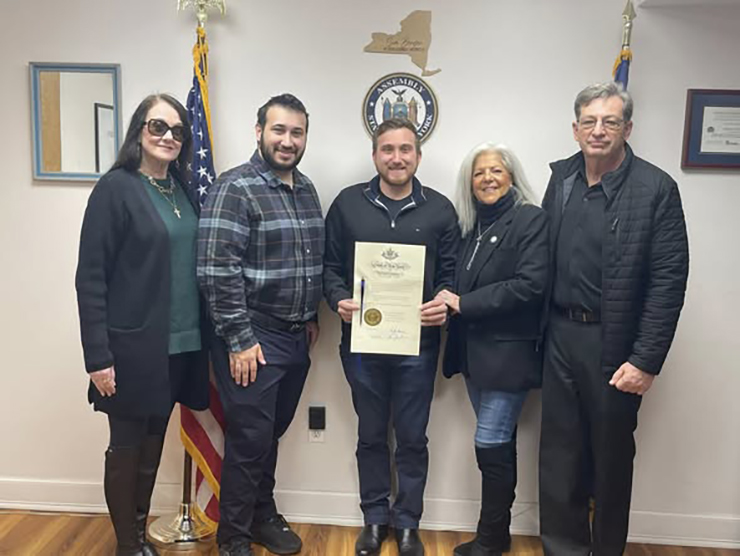
When New York City stood engulfed in smoke and disbelief on 9/11, thousands of responders rushed toward catastrophe. Among them were the city’s sanitation workers - individuals rarely labeled as first responders, yet essential to the city’s survival in the days and months that followed. DSNY crews labored under extreme conditions: ill-fitting masks that clogged with ash, uniforms permanently stained by debris, and workdays so punishing they blurred into nights. One worker later recalled brushing dust from his coat so many times that the fabric changed color, yet returning each morning because “someone had to do it.”

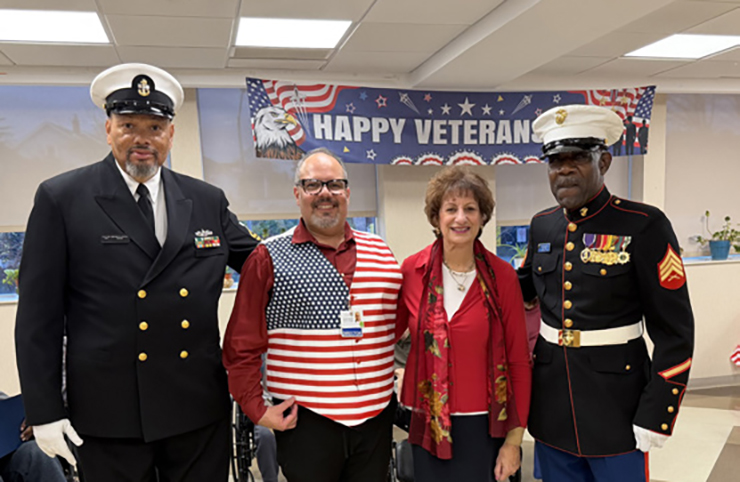
Margaret Tietz Nursing and Rehabilitation Center in Jamaica Hills held a poignant Veterans Day ceremony on Tuesday, November 11, honoring the many veterans in its community and recognizing their exceptional service and sacrifice. The event brought together residents, staff, and special guests for a day filled with remembrance and celebration, exemplifying the spirit of gratitude and reverence that defines this holiday.

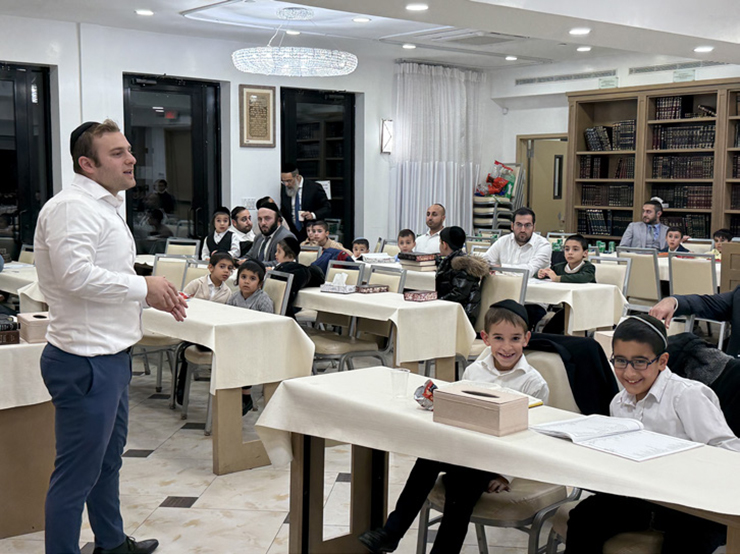
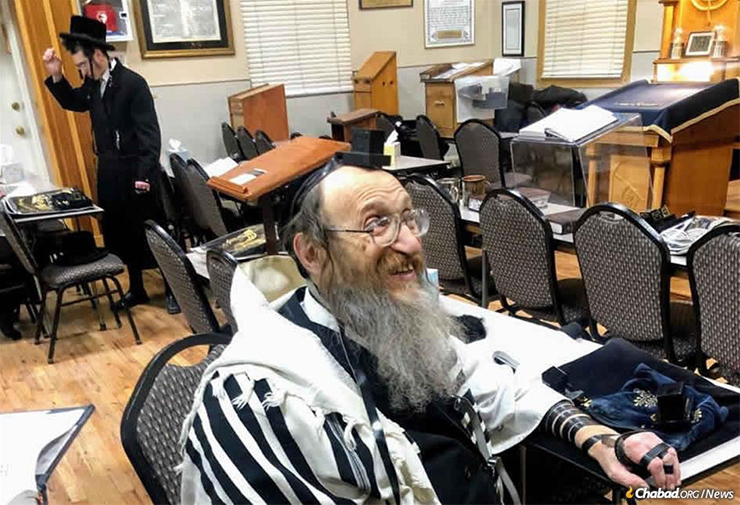
There’s something uniquely uplifting about a Motza’ei Shabbos in Queens. The leichter are put away, the Shabbos tablecloths are folded, and the streets come alive as pizzerias and restaurants fill with families easing back into the week. And among that energy, another kind of liveliness takes hold in the beis midrash of Bnei Yeshiva on 73rd Avenue, where fathers and sons once again gathered for the beloved Avos U’Banim program.

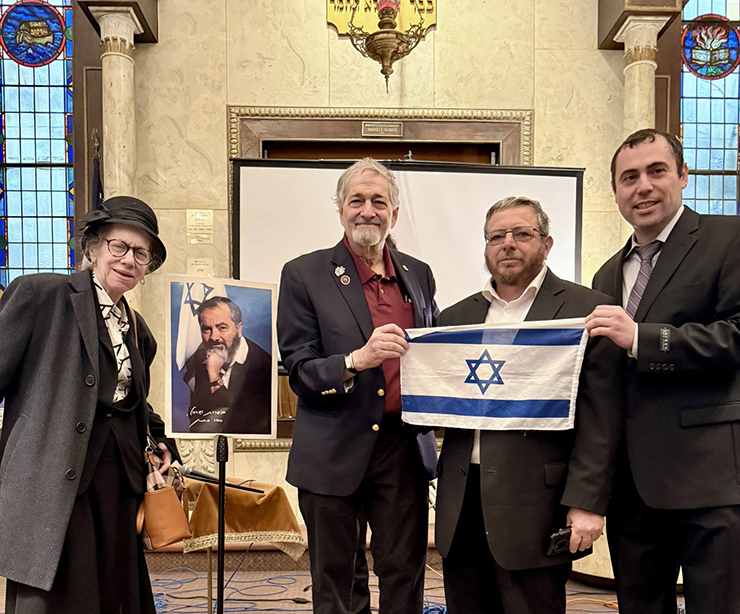
On Sunday afternoon, November 9, over 100 attendees gathered at the Ocean Avenue Jewish Center in Brooklyn to commemorate the 35th yahrzeit (18 Cheshvan) of Rabbi Meir Kahane z”l – the controversial yet enduringly influential rabbi, activist, and founder of the Jewish Defense League (JDL). Kahane, a staunch advocate for Jewish self-determination and security, was assassinated in 1990 by Egyptian national El Sayyid Nosair while speaking at the Marriott Hotel in Manhattan. His murder marked one of the first acts of Islamist terrorism on American soil, a precursor to the ideological violence that would follow in later decades.

Each year, New York’s political establishment gathers in San Juan, Puerto Rico, for the SOMOS Conference, a nonpartisan forum designed to bring together legislators, city officials, and community advocates for dialogue and coalition-building beyond Albany’s usual confines. Originally centered on Latino concerns—somos meaning “we are” in Spanish—the conference has evolved into a dynamic meeting ground where leaders across political, ethnic, and religious lines exchange ideas on issues ranging from education and housing to healthcare and public safety.