Colors: Cyan Color

In the wake of the horrific slaughter of 50 Muslims in New Zealand last week, the world came together for a moment to condemn the attacker, mourn the innocent, and reflect on the violence that hit the town of Christchurch. A moment is approximately 90-120 seconds, and that’s how long it took for many to start assigning blame for this attack on anyone but the shooter.

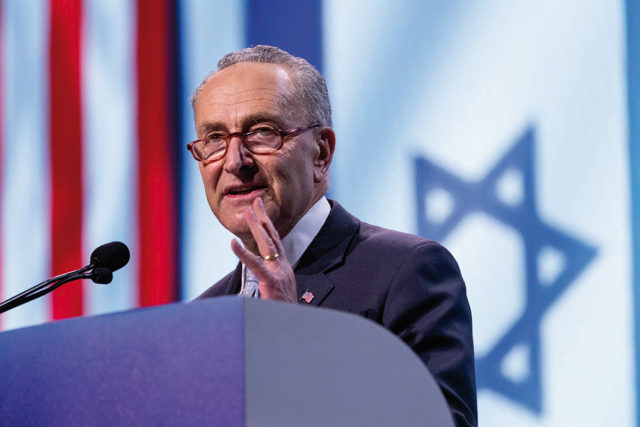
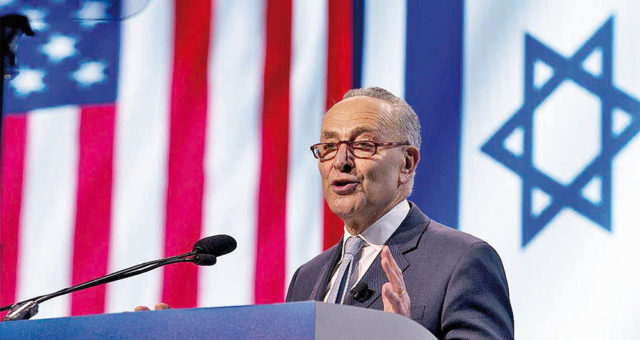
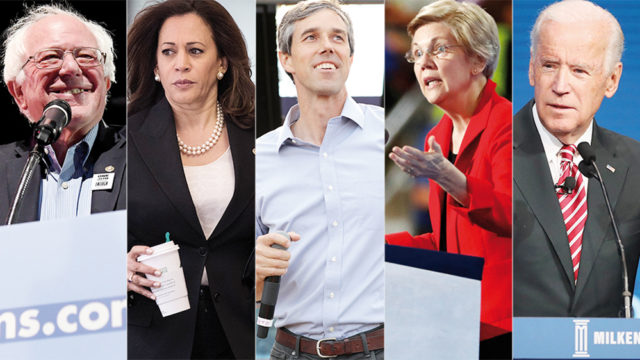
The annual American Israel Public Affairs Committee (AIPAC) conference occurred this week. An event that is normally a bipartisan ground for high-ranking politicians and Presidential hopefuls from both parties to deliver remarks about the strong US-Israel alliance is now under increased scrutiny by the growing base of the socialist and intersectional left. Democrats with an eye on the Oval Office in 2020 are now catering to that base, and are increasingly at odds with their colleagues in Congress. This is causing a rift within the Democratic Party, whose support of Israel going forward is in doubt.

“Bipartisanship” was the word of the day at the American Israel Public Affairs Committee (AIPAC) Policy Conference early this week, with speakers and organization leadership doubling down on the notion that support for Israel requires support from both Democrats and Republicans, that it is an across-the-aisle issue; but the mood among many delegates was worry, as the sharp spike in anti-Zionist rhetoric and policy on the Democratic Party as its breakout presidential candidates tack to the hard left and the base is pulled along with it.

There is a well-known saying in sports: “Good teams find a way to win and bad teams find a way to lose.” In 2016, the Democratic Party nominated probably the only candidate whom Donald Trump could beat in an election. Trump’s negatives were the unlikability and the sleaze factor. Instead of nominating a candidate who was likable and had a stellar reputation, the Democratic Party nominated Hillary Clinton. She had the same negative traits as Trump and was an establishment figure in a non-establishment election.

During the shutdown, much of the federal government was still operating, although the employees were not getting paid. The House of Representatives was the exact opposite. The members of the House were paid during the shutdown, but the House was not in session. Speaker Mike Johnson refused to open the House until the shutdown ended. It was not as if they had nothing to do. It was done for one reason: to stop the discharge petition to force a vote on requiring the Department of Justice to release the entire Epstein files. If the House had been allowed to stay open, Johnson would have had to swear in the newly elected member from Arizona, Adelita Grijalva, who was going to be the necessary signature to force a vote. It was clear that Trump did not want the files released, and Johnson was doing his best to make sure that would not happen.