
Colors: Cyan Color

Analyzing markets can be dizzying, and the price of coal is a prime example of that. It’s been up and down, over and out, and all around. The same is true for the shares of many coal companies. Over the years, they’ve been greedily purchased by savvy investors, frantically unloaded, and sometimes used as wallpaper by investors in despair. What happens next? Will they regain investor favor, or fall to the side as newer technologies are adopted?

For decades, many people have worried that the world is becoming overpopulated. They were concerned about shortages of food and water, not enough affordable housing, too little living space, and environmental issues. These days people are still worried about population—but for a very different reason. Populations in numerous countries are shrinking rapidly and, if this trend continues, everyone will be affected.

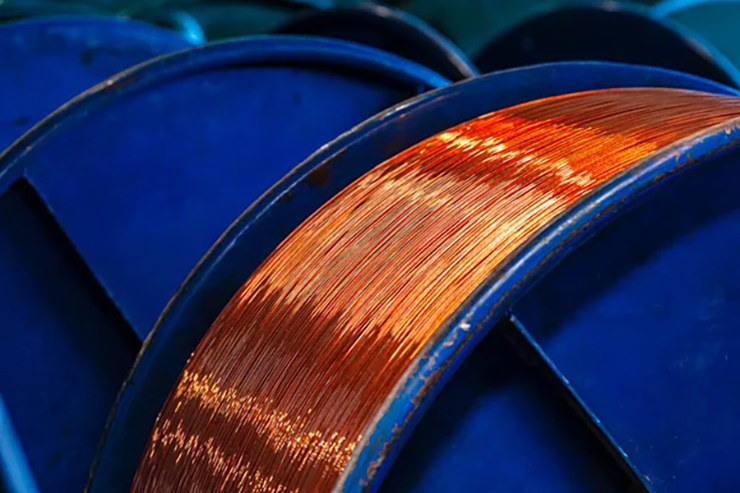
For the longest time, copper was the Rodney Dangerfield of metals – it “didn’t get no respect, no respect at all.” It’s easy to understand why. After all, it doesn’t have the lure of silver, the value of gold, and it’s associated with cheap and inexpensive items like pennies. Well, the times are a-changin’, and now that its price has increased significantly, investors are looking at it from a new perspective. To the surprise of many, copper has become respectable.

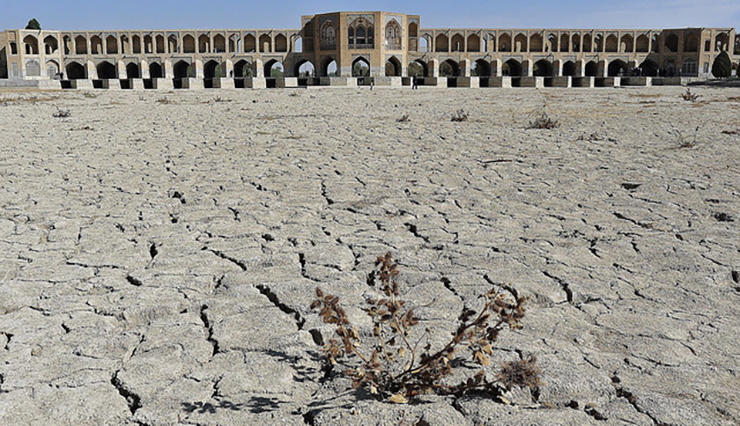
Iran has many problems. The U.S. has bombed its nuclear facilities, and Israel has damaged or destroyed many other strategic sites. Israel also killed many of its top generals and leading scientists. The country is suffering from economic sanctions that restrict its ability to buy and sell a wide variety of merchandise. But it is also experiencing another problem that, in some ways, is even more pressing—and no one has any idea how to resolve it. Iranian President Masoud Pezeshkian summed it up in a few words: Iran, he said, is on the brink of a dire water crisis.

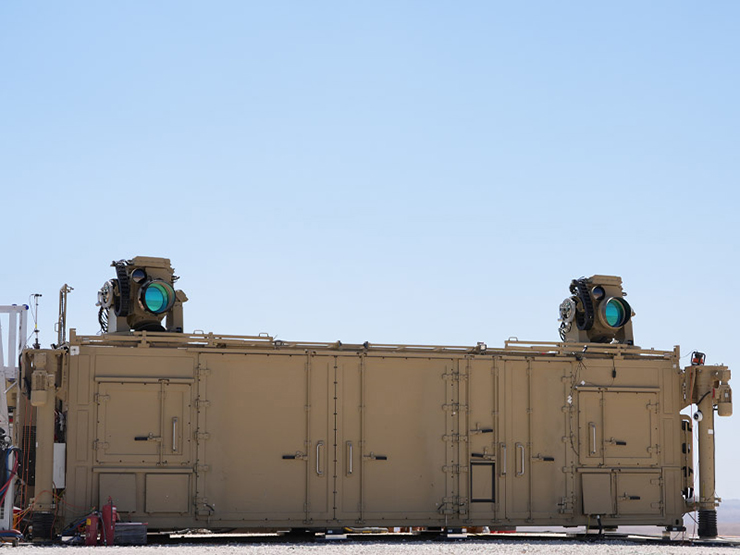
Israel’s Iron Dome defense system is a technological marvel, but it is not a perfect solution to Israel’s defense needs. The most significant drawback is that, chas v’shalom, a massive rocket attack could be overwhelming. Israel claims that its existing systems have a 90% intercept rate, but that still leaves serious danger from the 10% that gets through. In an unusually large attack, that would be devastating.

Many prominent and respected people have been warning that this would happen, and now that it has, we should not be shocked. Nevertheless, we are. And while no one can predict the future, one thing is certain: the developments we’ve seen so far are not even the tip of the iceberg.