I’d like to look at the concept of change. For the purposes of this discussion, I am going to differentiate between two types of change. The first type of change is personal change. This is any change that is made to the individual. It could be as simple as a new hair style to as monumental as choosing a person with whom to spend the rest of one’s life, and everywhere in between. The second type of change is collective, or societal change. This change could involve the changing of public discourse, the passing of new laws, or the election of a new leader (or in some countries, a coup that changes the leadership by force).
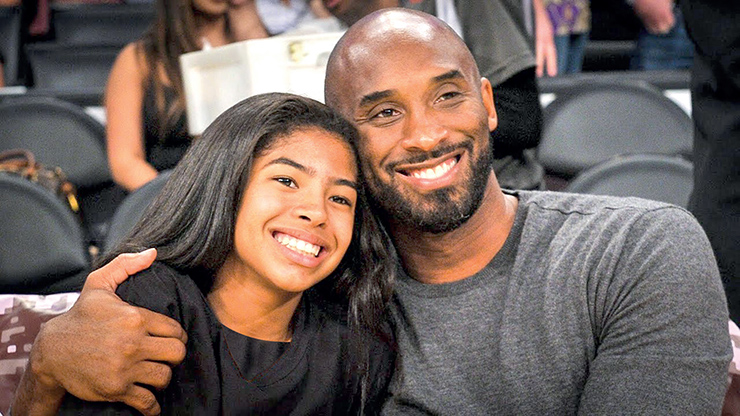
It’s been a few weeks since the death of NBA legend Kobe Bryant. The public interest in celebrity news has always fascinated me. I never understood why people cared about the private lives of celebrities. If they are doing something good, like donating to charity or visiting children in the hospital, I can understand the draw, but when it’s the small things, like what they are wearing to a wedding or what they had for breakfast or even what they named their kid, I can’t seem to wrap my head around why that gets media attention.

In the most recent Democratic primary debate, the country was treated to the underlying reason as to why Donald Trump will be winning the 2020 presidential election. But I am getting ahead of myself. Let’s start with the comparison of the two major parties and where they stand with their constituents. Republicans are widely united in their support for President Trump. According to Gallup, throughout 2019 his approval ratings amongst Republicans have been reliably hovering around 90%. It’s clear that it’s not just Trump’s base that likes his presidency so far, but the vast majority of the Republican Party, as well. Meanwhile, the highest favorability rating held by any Democratic candidate amongst Democrats is 75%, which is held by Bernie Sanders. Joe Biden is second at 72%, with Elizabeth Warren coming in third at 63%.

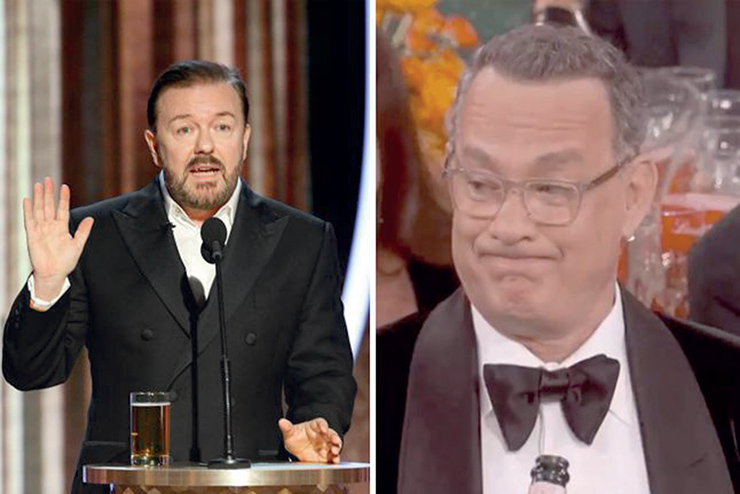
 Judging by recent events, the answer is to that question is obviously no. The incident that everyone has been talking about these last few weeks is the monologue of Golden Globes host, Ricky Gervais, at the start of the 77th annual edition of the event. Gervais lambasted the Hollywood elite throughout his eight-minute speech, and boy, he did not hold any punches. In front of Apple CEO Tim Cook, the host called out Apple for operating sweatshops in China. He then turned it on the rest of the room, quipping that “If ISIS started a streaming service, you’d call your agent, wouldn’t you?” He also made an “Epstein didn’t kill himself” reference, and responded to the pearl-clutching by saying, “I know he’s your friend, but I don’t care.”

 It is only the beginning of 2020, and already within the span of the first five days of the new year, the Jewish community saw what could possibly be the two most widely attended Jewish events of the year. First, on New Year’s Day, 90,000+ people packed into frigid MetLife Stadium in East Rutherford, New Jersey, to celebrate the completion of the Daf Yomi. The following Sunday, on January 5, an estimated 25,000 people braved the cold to march across the Brooklyn Bridge in protest of the ever-increasing number of anti-Semitic attacks in the New York Metropolitan area and across the country.

 At this point we can all recognize that there has been a massive shift in American culture over the last 20 years. We can look to public opinion on issues like the LGBTQ community and racism as obvious examples, but just how far have the changes seeped into society? The truth is that everything you consume can have an effect on you. The more frequently a message is sent, the stronger the effect. For example, a commercial that you frequently see or hear can have long-lasting effects on you. I still have the IO Digital Cable commercial from the early 2000s rolling around in my head. But this holds true with more than just advertising. It also comes when dealing with traditional forms of media, and it is especially potent when targeted at children. And who is the undisputed king of producing children’s content? Disney.