In the week preceding Shabbas Shuvah, the daily chart of coronavirus hospitalizations shared by Governor Andrew Cuomo showed a rise in patients. On Tuesday, September 22, there were 470, and a week later there were 571, with more than one percent of people tested statewide reporting positive results. “Twenty ZIP Codes average a positive test rate of five percent – about five times the statewide average,” he wrote. “We know how this virus spreads and we know how to stop the spread. Local governments MUST enforce compliance.”

Term-limited Councilman Rory Lancman resigned his seat on Wednesday for a new position created by Governor Andrew Cuomo - Special Counsel for Ratepayer Protection - which represents the interests of consumers in relation to utility companies and telecom providers. With his departure from City Hall, a nonpartisan special election will determine the next Council Member to represent the district with the largest Jewish population in Queens.

The ongoing coronavirus pandemic has shaken many long-held assumptions about the Jewish community as it confronts a crisis of leadership, finance, and faith. In Queens, the divisions within the Jewish community were laid bare last Monday when Governor Andrew Cuomo declared in a press conference, “We’re going to close the schools in those areas tomorrow, and that’s that.”

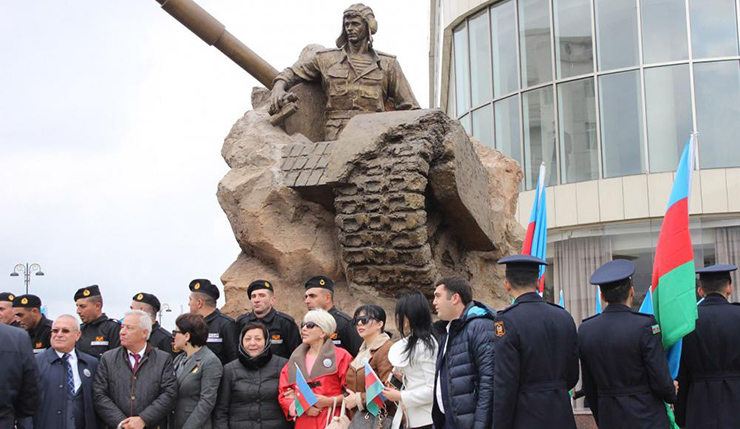
There is a mountainous region populated by an ethno-religious group with centuries of history but not one country recognizes its claim to that region. If you thought that I was referring to the Jewish residents of Judea and Samaria, you may not have heard that there is a war happening at this time in Nagorno-Karabakh. Internationally, this Caucasus region is regarded as part of Azerbaijan, but nearly all of the people living there are ethnic Armenians who have their own self-declared state, the Republic of Artsakh. In the course of the past month, Azerbaijan has been fighting a war to recapture Karabakh and restore land to ethnic Azeris who were expelled from there a quarter century ago.

In the election earlier this month, there were many positions on the ballot, including a line for judge to the Queens Supreme Court, where a familiar last name appeared: Lancman. But this time, it was Mojgan Cohanim Lancman, who was elected to the bench, making her the first Persian Jew in this position. “In New York, the Supreme Court is a trial court, with two appellate levels after it. It is a court of general jurisdiction, and it hears all kinds of matters,” she said.

Most Read